

Mental Health Conference 2026 - Sessions

Presenter: Dr. Angelo Reynolds
Presentation Title: Trauma, Addiction, Mental Health, and Recovery
Author Biography
Dr. Angelo Reynolds helps people overcome life’s toughest setbacks – including trauma, addiction, loss, and life transitions – and rebuild with confidence, resilience, and purpose. He does this through speaking, transformational training, workshops, coaching, and his proven mindset tools from the Transformers Academy – a system he created based on his own journey from hardship to achievement.
Learning Objectives:
Upon completion of this workshop, participants will:
- Acquire a comprehensive understanding of trauma, addiction, mental health challenges, and effective treatment approaches.
- Access evidence-based resources to support recovery and enhance well-being among individuals managing these concerns.
- Apply best practices in psychoeducation tailored to their organizational contexts.
Abstract
Psychoeducation is a targeted therapeutic approach that teaches individuals about their mental health conditions, coping strategies, and support systems. Research shows it is highly effective at increasing treatment adherence, reducing relapse rates by 20% to 50% for severe illnesses, and empowering patients and their families.
Psychoeducation has also been demonstrated as an effective intervention for trauma and addiction. This approach aids in normalizing responses, reducing shame, and equipping survivors with vital information regarding the effects of trauma on neurological and physiological functioning (National Institute of Health, 2026).
Results:
The facilitation of multiple workshops and seminars addressing substance abuse and mental health conditions has produced positive results. Participants have reported increased knowledge and a greater understanding of techniques to reduce relapse risk and manage mental health symptoms effectively.
Sources :
National Association of State Mental Health Program Directors (NASMHPD), 1990; and National Institute of Health, 2026.
Presentation Outline: TAMAR
TAMAR represents Trauma, Addiction, Mental Health, and Recovery. This presentation aims to provide individuals with insight into how adverse experiences, referred to as “trauma,” may influence their lives and outlines pathways toward healing. Emphasis will be placed on identifying triggers and offering coping strategies to regulate stress and maladaptive behaviors.
-
I. Introduction to Trauma, Addiction, Mental Health, and Recovery (TAMAR)
1. Addiction: Conceptual Foundations
2. Trauma: Definition and Impact
3. Treatment Modalities for Mental Health
-
II. Physical and Emotional Abuse
1. Psychological Trauma
2. Techniques for Emotional Regulation
3. Physical and Biological Effects of Trauma
-
III. Boundaries and Safety
1. Establishing Intimacy and Trust
2.Effective Communication and Recognition
-
IV. Closing
1. Discussion of Universal Best Practices
-
V. Q&A Session

Presenter: Dr. Kiminobu Sugaya
Affiliation: University of Central Florida College of Medicine, ProgeniXBio, Progenicyte Japan, Progenicyte Bio, Progenicyte Therapeutics, USA
Presentation Title: Exosome Technology in Neurology: Emerging Applications in Drug Delivery and Diagnostics
Session Name: Exosomes, Neurodegeneration, and Drug Delivery Systems
Biography of Presenting Author
Kiminobu Sugaya, Ph.D., is Professor of Medicine and Head of the Neuroscience Division at the University of Central Florida College of Medicine. He is a member of National Academy of Inventors and an owner of a biotech company ProgeniXBio and 3 other companies. He has more than four decades of experience in neuroscience research and over twenty-five years in stem cell biology and regenerative medicine. His research focuses on neural stem cells, neurodegenerative diseases, extracellular vesicles, and regenerative therapeutics. Dr. Sugaya has authored over 250 publications with more than 5,700 citations and is an inventor on numerous patents in biotechnology.
Abstract:
Extracellular vesicles (EVs), particularly exosomes, have emerged as a transformative platform in neurology because of their natural ability to transport proteins, nucleic acids, and signaling molecules between cells. Their capacity to cross biological barriers, including the blood-brain barrier, makes them attractive tools for both diagnostic and therapeutic applications.
In diagnostics, neuron-derived exosomes obtained from blood, saliva, and other biofluids provide a minimally invasive approach to monitor pathological changes occurring within the central nervous system. Exosomal biomarkers, including amyloid-β, phosphorylated tau, neurofilament light chain, microRNAs, and disease-associated nucleic acids, have demonstrated potential for early detection and monitoring of neurodegenerative disorders such as Alzheimer’s disease, Parkinson’s disease, and other neurological conditions.
In therapeutics, exosomes offer several advantages as drug delivery systems (DDS), including low immunogenicity, biocompatibility, and the ability to carry diverse therapeutic cargoes such as small molecules, proteins, siRNA, mRNA, DNA, and gene-editing components. Surface engineering strategies enable targeted delivery to the brain and specific neural cell populations. Recent advances in engineered exosomes have demonstrated their potential for delivering therapeutic nucleic acids and biologics to the central nervous system. Brain-targeting peptides, surface modification technologies, and scalable manufacturing platforms are accelerating the clinical translation of exosome-based therapeutics.
This presentation will review recent developments in neurological exosome research, including diagnostic biomarkers, therapeutic delivery systems, blood-brain barrier targeting, manufacturing technologies, and future clinical applications. The integration of exosome-based diagnostics and therapeutics may establish a new paradigm for precision neurology and regenerative medicine.

Presenter: Dr. Yoav Suprun
Affiliation: President - SoBe Spine, Bay Harbor Islands, FL, USA
Session Name: Aging Without Aching
Presentation Title: Aging Without Aching – Prevention Strategies Of Muscular Inhibition at the Extremities
Biography of Presenting Author
Dr. Yoav Suprun is a dynamic TEDx Speaker, Author of bestselling book “Aging Without Aching” and a Senior faculty with the McKenzie Institute USA. His evidence-based insights and practical strategies have significantly enhanced the experience and well-being of his listeners, empowering them to age gracefully and live pain-free. Dr. Suprun is a highly respected clinical doctorate in physical therapy (NYU) and Orthopedic Clinical Specialist (OCS) with over three decades of experience. He specializes in helping the public, athletes (NFL, NBA, Golfers) as well as corporations - prevent lower back pain, sciatica, neck pain, and extremity issues. His expertise has been featured on CBS, NBC, The Huffington Post, Shape Magazine, the Miami Herald with millions of views on YouTube.
Abstract:
Musculoskeletal disorders (MSDs) remain one of the most significant life and occupational challenges today. Extremity problems of spinal source can confuse clinicians as well as the general public and prolong the process of finding proper diagnosis and treatment. Dr. Yoav provides targeted education and interventions designed specifically to help: • Improve posture and movement patterns. • Reduce cumulative strain on the spine and extremities • Integrate strategies to mitigate mechanical chronic pain and protect one’s musculoskeletal health, ultimately supporting career longevity and pain free aging.

Presenter: Dr. Jihan Mahmoud
Affiliation: Florida Gulf Coast University, USA
Session Name:
Presentation Title: The Relationship of Depression, Coping, Perceived Barriers to Physical Activity, Perceived Body Image, Sleep Disturbances, and Selected Demographics among College Students
Biography of Presenting Author
Jihan Mahmoud, PhD, RN has a total of twenty years of experience in nursing education, practice, and research. Her research interest is young adult college students’ mental health with a special focus on anxiety, stress, and adaptation. During her PhD study at the University of Kentucky, she received the “Best Doctoral Student Poster Presentation” award from the College of Nursing in 2009. In 2010, she won the second place for best symposium presentation at the 4th Annual Graduate Students Interdisciplinary conference at UK.
In addition, she received the Delta Psi Chapter of Sigma Theta Tau research grant for her doctoral dissertation. In 2016, her published research work received the Second Place for Poster Presentation Award from the American Psychiatric Nursing Association at their 30th annual conference. As an academician, Dr. Mahmoud is an advocate of emerging adults’ and college students’ mental wellbeing and implements evidence-based teaching- and mentoring strategies to promote and facilitate an adaptive, healthy, and joyful college life among her students and mentees.
Abstract:
Background
Depression is characterized by negative body image and lack of physical energy. However, the literature constantly suggests implementing exercise-based interventions to target depression. Further evaluation of the perceived barriers to physical activity, coping, and depression in emerging adults is needed.
Methods
Using the mediation analysis, the role of maladaptive coping in the relation between perceived barriers to physical activity and depression was examined. A total of 345 college students completed a survey that included the study measures. The independent variables were measured using adaptive versions of the The Sleep-50 Questionnaire (Spoormaker et al., 2005), The Contextual Body Image Questionnaire for Athletes (de Bruin et, 2011), Barriers to Being Active Quiz (CDC, 2007), and the Brief COPE Inventory (Carver, 1997). Depression was measured using the Depression subscale in the DASS-21scale (Lovibond & Lovibond, 1995). Independent-samples t-test or ANOVA were used to examine how the main variables vary by the participants’ demographics. Multiple regression analysis was used to test the main hypotheses.
Results
Emerging adult college students reported higher levels of depression and perceived barriers to physical activities than their older counterparts s (M = 13 ± 5 as compared to M = 18 ± 3, t = 6, P < .001) and (M = 23 ± 7 as compared to M = 18 ± 11, t = 2, P < .01). Regular exercise was associated with lower levels of depression and higher levels of satisfaction with body image
Conclusions
Efforts to target depression should focus on combating maladaptive coping to help students overcome their perceived barriers to physical activities and improve their wellbeing.

Presenter: Ms. Mazn Hussein Aljedi
Affiliation: Medical Student, Hashemite University, Jordan
Session Name: Neurology / Neuroscience / Parkinson’s Disease / Microbiome
Presentation Title: Gut Microbiome and Metabolic Signatures in Early and Prodromal Parkinson’s Disease: A Systematic Review and Meta-analysis of Microbial Diversity
Presentation Category: Poster Presentation
Biography of Presenting Author
Mazn Hussein Aljedi is a sixth-year medical student at Hashemite University in Jordan with a strong interest in neurology and neuroscience. She has been actively involved in clinical research, particularly in neurology, and has experience conducting systematic reviews and meta-analyses.She has presented her research at academic conferences and is passionate about advancing her knowledge in neurological research and clinical care. She plans to pursue postgraduate medical training in the United States.
Abstract:
Parkinson’s disease may begin years before motor diagnosis,and gastrointestinal symptoms are among the earliest clinical clues.This has made the gut microbiome an important focus in prodromal Parkinson’s disease research, particularly for understanding gut–brain axis changes and identifying non-invasive biomarkers.
This study summarizes gut microbiome and related metabolic signatures in early and prodromal Parkinson’s disease.We included studies comparing Parkinson’s disease,early Parkinson’s disease, or prodromal/REM sleep behavior disorder-related phenotypes with healthy controls.Extracted data included study design, diagnostic definitions, sequencing methods, diversity outcomes, differentially abundant taxa, and functional or metabolomic findings.Quantitative pooling of alpha-diversity indices is planned where sufficient numerical data are extractable or clarified by study authors; the current synthesis focuses on revised taxa-level and metabolic patterns.
Across 30 included publications, the findings showed recurrent dysbiosis rather than a single disease-specific organism.The most frequently reported increase involved Akkermansia/Akkermansia muciniphila, reported in 13 papers. Other repeated increases included Escherichia/Shigella-related taxa in 7 papers, Bacteroides and Desulfovibrio in 5 papers each, and Citrobacter in 4 papers. In contrast, reductions were most consistently reported for short-chain-fatty-acid-producing and fiber-fermenting taxa,including Faecalibacterium in 13 papers, Prevotella/Prevotella copri in 8 papers, Roseburia-related taxa in 7 papers, and Butyricicoccus in 3 papers. Findings for Lactobacillus, Lachnospiraceae-related taxa, and Clostridium-related groups were mixed and should be interpreted cautiously.Available functional findings also suggested disturbances in short-chain fatty acid,bile acid, and glutamate-related pathways.
Overall,early and prodromal Parkinson’s disease appear to be associated with a shift away from protective fiber-fermenting bacteria and toward mucin-degrading, inflammatory, and metabolically altered microbial profiles. These findings support further longitudinal work on the gut–brain axis and may help prioritize microbial candidates for early Parkinson’s disease biomarker development.

Presenter: Mr. David Rauscher
Affiliation: University of North Carolina at Chapel Hill, USA
Session Name:
Presentation Title: The Invisible Treatment Team: Development and Pilot Evaluation of a CBT Intervention for Caregivers of Young People with Psychosis
Presentation Category: Poster Presentation
Biography of Presenting Author
In 2021, David Rauscher received his bachelor’s degree in psychology and music from Syracuse University in Syracuse, New York. From there, David spent the next winter in the mountains of Colorado on an internship before returning to his home state of North Carolina. He has worked in various medical settings including university hospitals and in overnight children’s care. Currently, David is the Program Coordinator for Early Psychosis Interventions of North Carolina where he manages two ongoing research studies that focus on caregivers of young people with psychosis.
Abstract:
Background:
First Episode Psychosis (FEP) typically begins presenting in late adolescence to early adulthood, which can lead to a greater dependence on caregivers. Coordinated specialty care (CSC) programs are shown to improve outcomes for young people experiencing psychosis. Family member involvement in coordinated specialty care is strongly associated with improved treatment engagement and outcomes for young people with psychosis, yet caregivers frequently experience substantial psychological and caregiving-related stressors and may benefit from dedicated mental health support themselves. Caregivers often report higher levels of anxiety, social isolation, depression, and stress. The wellbeing of these caregivers often goes unaddressed in the coordinated specialty care (CSC) clinics that treat FEP.
Methods:
Caring for the Caregiver (CFC) is a manualized CBT-based individual therapy intervention created to address the specific needs of individuals caring for a relative with a psychotic disorder. Participants for this study were recruited in collaboration with two CSC teams in North Carolina. These caregivers met with a trained study coordinator at baseline to complete informed consent and complete a battery of measures assessing depression, anxiety, trauma related distress, caregiver burden, loneliness, self-compassion, and information about their loved one experiencing psychosis. Participants also met with the study coordinator at post-treatment to complete a similar battery of assessments, a feedback form about the treatment, and recommendations for future resources and services for caregivers.
CFC is designed to be delivered over 12-14 sessions in person or via telehealth. Caregivers work with a therapist to learn foundational CBT skills and develop a goal for therapy. Then, they select an individualized therapy module related to 1) anxiety, 2) depression, 3) trauma, 4) communication skills, or 5) psychosis psychoeducation. Caregivers also participate in a final “closing” session to consolidate learnings and skills and discuss next steps. To test the feasibility of this intervention, we are conducting an open pilot of approximately 30 participants recruited from two CSC clinics in North Carolina. Participants receive individual therapy sessions delivered by trained clinicians. Therapy sessions are audio recorded and assessed for fidelity by an independent rater. Caregiver outcomes include self-reported anxiety, depression, trauma-related symptoms, and self-compassion at baseline and post-treatment.
Results:
Preliminary feasibility indicators include participant recruitment and treatment engagement. To date, 42 relatives of young people with psychosis have been referred to the study. Between October 2025 and May 2026, 15 caregivers enrolled in the first cohort of CFC. In total, these participants received 133 individual therapy sessions, which lasted an average of 53.3 minutes (SD = 7.8, range = 33.5
Rauscher Psychology Conference 2026
(Submission 68.6) Recruitment of a second cohort of caregivers is ongoing and 12 new participants are actively engaged in the CFC model. Preliminary implementation indicators include therapist training and treatment fidelity. All study therapists achieved certification in the CFC model, with fidelity ratings in the satisfactory to high range across domains of session structure, use of educational materials, therapeutic approach, and overall session quality.
Conclusions:
CFC is a novel approach to targeting the mental health and wellbeing of caregivers and other supporters of a young person experiencing early psychosis. Preliminary findings support the feasibility and acceptability of CFC delivery in CSC clinics. Results from this pilot will guide refinement of the intervention and future trials evaluating effectiveness.

Presenter: Mrs. Alicia Ead
Affiliation: Bradley Learning Exchange, USA
Session Name:
Presentation Title: Beyond Crisis Management: Trauma-Informed Strategies for Regulation, Prevention, and De-Escalation
Presentation Category: Oral Presentation
Biography of Presenting Author
Alicia Ead, LICSW is the Supervisor of School-Based Services for the Bradley Learning Exchange at Bradley Hospital/Brown Health and Co-Founder and Assistant Director of the Public Safety Special Needs Coalition. She is a licensedclinical social worker with extensive experience supporting schools, educators, students, and families through trauma-informed, prevention-focused behavioral health services. Alicia specializes in Multi-Tiered Systems of Support (MTSS), Positive BehavioralInterventions and Supports (PBIS), social-emotional learning (SEL), crisis prevention, autism supports, restorative practices, and educator wellness. She has developed and implemented school-based consultation models, district-wide professional developmentinitiatives, and community partnerships that strengthen school climate, safety, and student well-being. Drawing from both her professional expertise and lived experience as a parent and advocate, Alicia is passionate about helping schools create inclusive,compassionate, and resilient learning environments where all students can thrive.
Abstract:
Behavioral escalation is frequently addressed through reactive crisis management rather than prevention-focused, trauma-informed intervention. Across educational, clinical, and community-based settings, professionals are increasingly supporting youth with complex emotional, behavioral, sensory, and regulatory needs while simultaneously navigating workforce stress, secondary trauma, and burnout.
This presentation introduces a practical, regulation-focused framework designed to reduce escalation, strengthen emotional safety, and promote sustainable behavioral health support systems. Drawing from real-world implementation across school-based and community behavioral health settings, the session examines how trauma, stress, sensory overload, communication barriers, and lagging self-regulation skills influence behavior and crisis responses.
Participants will explore evidence-informed strategies that support prevention and de escalation, including environmental modification, co-regulation, sensory-informed supports, visual structures, functional communication, emotional regulation tools, and reflective post-crisis practices. The presentation emphasizes shifting from compliance driven responses toward approaches grounded in psychological safety, connection, predictability, and skill development.
In addition, the session highlights the importance of workforce resilience and interdisciplinary collaboration in sustaining trauma-responsive environments. Attendees will examine strategies that support staff regulation, reflective practice, and consistent team-based responses across youth-serving systems. Participants will leave with practical tools and scalable strategies that can be implemented across interdisciplinary and community-based settings to reduce reliance on reactive interventions, improve consistency across teams, and strengthen trauma-informed behavioral health practices.
Learning Objectives
1. Identify trauma-informed strategies that support prevention, regulation, and de-escalation across youth-serving and behavioral health settings.
2. Describe how co-regulation, environmental supports, and predictable routines influence emotional regulation and behavioral outcomes.
3. Apply practical prevention-focused approaches that reduce reliance on reactive crisis intervention while strengthening interdisciplinary collaboration and workforce resilience.

Presenter: Dr. DeBrae Kennedy-Mayo
Affiliation: Bradley Learning Exchange, USA
Session Name:
Presentation Title: Beyond Crisis Management: Trauma-Informed Strategies for Regulation, Prevention, and De-Escalation
Presentation Category: Oral Presentation
Biography of Presenting Author
Alicia Ead, LICSW is the Supervisor of School-Based Services for the Bradley Learning Exchange at Bradley Hospital/Brown Health and Co-Founder and Assistant Director of the Public Safety Special Needs Coalition. She is a licensedclinical social worker with extensive experience supporting schools, educators, students, and families through trauma-informed, prevention-focused behavioral health services. Alicia specializes in Multi-Tiered Systems of Support (MTSS), Positive BehavioralInterventions and Supports (PBIS), social-emotional learning (SEL), crisis prevention, autism supports, restorative practices, and educator wellness. She has developed and implemented school-based consultation models, district-wide professional developmentinitiatives, and community partnerships that strengthen school climate, safety, and student well-being. Drawing from both her professional expertise and lived experience as a parent and advocate, Alicia is passionate about helping schools create inclusive,compassionate, and resilient learning environments where all students can thrive.
Abstract:
Behavioral escalation is frequently addressed through reactive crisis management rather than prevention-focused, trauma-informed intervention. Across educational, clinical, and community-based settings, professionals are increasingly supporting youth with complex emotional, behavioral, sensory, and regulatory needs while simultaneously navigating workforce stress, secondary trauma, and burnout.
This presentation introduces a practical, regulation-focused framework designed to reduce escalation, strengthen emotional safety, and promote sustainable behavioral health support systems. Drawing from real-world implementation across school-based and community behavioral health settings, the session examines how trauma, stress, sensory overload, communication barriers, and lagging self-regulation skills influence behavior and crisis responses.
Participants will explore evidence-informed strategies that support prevention and de escalation, including environmental modification, co-regulation, sensory-informed supports, visual structures, functional communication, emotional regulation tools, and reflective post-crisis practices. The presentation emphasizes shifting from compliance driven responses toward approaches grounded in psychological safety, connection, predictability, and skill development.
In addition, the session highlights the importance of workforce resilience and interdisciplinary collaboration in sustaining trauma-responsive environments. Attendees will examine strategies that support staff regulation, reflective practice, and consistent team-based responses across youth-serving systems.
Participants will leave with practical tools and scalable strategies that can be implemented across interdisciplinary and community-based settings to reduce reliance on reactive interventions, improve consistency across teams, and strengthen trauma-informed behavioral health practices.
Learning Objectives
1. Identify trauma-informed strategies that support prevention, regulation, and de-escalation across youth-serving and behavioral health settings.
2. Describe how co-regulation, environmental supports, and predictable routines influence emotional regulation and behavioral outcomes.
3. Apply practical prevention-focused approaches that reduce reliance on reactive crisis intervention while strengthening interdisciplinary collaboration and workforce resilience.

Presenter: Dr. Terrel D. Hale
Affiliation: Founder, Georgetown Sports Massage, USA
Session Name:
Presentation Title: The Paradox of Control”: A Heuristic Inquiry of Spirituality, Marathoner Flow, Athleteic Identity,, and Athletic Injury
Biography of Presenting Author
Dr.Hale is the owner of Georgetown Sports Massage (www.georgetownsportsmassage), which offers a combined physical and mental approach to optimizing training, competition, and recovery. He has been a sports therapist for the past 25 years. In 2020, Terrel received a PhD in Mind-Body Medicine Practice from Saybrook University.
He has participated in various professional venues for runners and triathletes, including the 2004 Olympics in Athens..His most recent publication is a treatise on spirituality, marathon flow, athletic identity and athletic injury titled "The Paradox of Control." While in the Mind-Body program, he suffered a posterior tibialis tendon injury on his left ankle while performing plyometrics at a track workout. Subsequent surgery and post-surgery rehabilitation led to a loss of his athletic identity. The injury spurred his interest in researching the impact of athletic injuries for his dissertation.
Abstract:
Spirituality in sports, particularly in marathon training and racing, is neglected in the academic literature. When I suffered a torn posterior tibialis tendon and choose to have surgery, I experienced a lack of holistic treatment because of the institutional and linear approaches of both my surgeon and physical therapist as I moved from an altered self into a more whole self. The noninstitutional and nonlinear aspects of spirituality are significant to ,y heuristic journey in this moving as my athletic identity was challenged by my athletic injury. The purpose of this heuristic study was to explore the following question: What are the perceptions of and experiences with spirituality, marathoner flow, and athletic identity of an injured marathoner?
A qualitative design approach was used, and as the researcher, I acted as the participant. To address this introspective subject, I also used a thematic analysis developed by Braun et al. (2017). I analyzed meditative rumination data to answer the question using semi-structured interviews, and I examined the literature regarding spirituality, marathoners, marathoner flow, athletic identity, and athletic injury. I examined each of these five constructs within the context of my own experience with training for and racing in marathons.
Each construct was useful in framing my experience as an injured runner, and my positionality as a researcher-participant supported the qualitative study used to address the research question. Adhering to the methodology allowed me to work using Moustakas’s (1990) heuristic phases as well as my own data resulting from my own experience. Eight themes emerged: mind-body integration, mindfulness, effortless awareness, conscious breathing, psychological resilience, self-regulation, action observation, and imagery. Braun et al.’s process required multiple readings of the data to discern the inherent meaning of this journey for the self.
Based on the literature review and data analysis, the eight core themes of experience emerged from which the findings are derived. The results of this analysis involving the five constructs expressed in poetry, music, and art are found in the appendices. This study also shows how one individual’s journey leads insight into the human mysteries surrounding an abrupt change in professional identity.

Presenter: Dr. Amanda Battle
Affiliation: Alexandria VA Health Care System, USA
Presentation Title: Integrating AI into Psychology and Clinical Practice
Presentation Category: Oral Presentation
Biography of Presenting Author
Dr. Amanda Battle, PsyD, is a clinical psychologist with the Alexandria VA Health Care System in Pineville, Louisiana. She joined the VA system in 2019, completing her predoctoral training before beginning her career as a licensed psychologist in 2022.
In her current role as a testing psychologist, Dr. Battle conducts psychological evaluations to support diagnostic clarification for personality, mood, neurodevelopmental, and other severe mental health disorders. She also performs presurgical evaluations to assess readiness for organ transplantation, bariatric procedures, and back surgery.
Dr. Battle has experience treating a range of mental health concerns, including mood, anxiety, trauma, and stressor-related disorders. Her primary training is in Cognitive Behavioral Therapy (CBT), complemented by approaches from humanistic therapy, interpersonal psychotherapy, problem-solving therapy, and motivational interviewing.Abstract:
This presentation explores the rapidly evolving role of artificial intelligence (AI) in psychology and clinical practice, highlighting how emerging technologies are reshaping assessment, treatment, monitoring, and administrative workflows. As mental health needs outpace available provider resources, AI offers promising solutions to enhance efficiency, accuracy, and accessibility. The presentation outlines foundational concepts in AI, including machine learning, natural language processing, and digital phenotyping, and demonstrates how these tools contribute to more precise diagnostic insight and personalized intervention strategies.
A central focus is the clinical integration of AI through real-world applications. Case examples illustrate key advancements: digital phenotyping for early detection of depressive relapse, AI-powered chatbots supporting cognitive behavioral therapy between sessions, adaptive virtual reality exposure therapy for phobia treatment, and AI-assisted clinical note generation that reduces documentation burden and increases clinician–patient engagement. These examples show how AI augments rather than replaces human clinicians by offering continuous monitoring, data-driven decision support, and extended therapeutic reach.
The presentation also addresses critical challenges and ethical considerations. Issues such as algorithmic bias, limitations in AI empathy, patient privacy, and the need for clinician oversight are discussed to emphasize responsible implementation. A practical roadmap guides clinicians through the steps of adopting AI tools, from evaluating needs and selecting validated technologies to piloting programs and ensuring ongoing training and evaluation.
Overall, the presentation provides a balanced, evidence-informed overview of AI’s potential and limitations in psychological practice. It underscores the importance of human-centered, ethically grounded integration to ensure that AI enhances clinical care while preserving the therapeutic relationship at the core of mental health treatment. .

Presenter: Ms. Tanzila Alam
Affiliation: Harvard University, Boston, USA
Presentation Title: NLP-Identification of Acculturative Barriers to Depression Treatment for Ethnic Minority and Immigrant Youth
Presentation Category: Poster Presentation
Biography of Presenting Author
Tanzila Alam is a student in the Biomedical Informatics master’s program at Harvard University and a graduate student researcher at Cambridge Health Alliance. Her research centers on identifying acculturative stressors that ethnic minority and immigrant youth face in accessing behavioral health services. She is interested in applying natural language processing methods for analyzing electronic health records to inform more culturally responsive care. Her broader goal is to employ data-driven approaches to improve health outcomes for vulnerable patient populations. Tanzila earned her B.S. in Chemical Engineering from Yale University and is a proud product of the Central Valley in California.
Abstract:
Ethnic minority and immigrant (EMI) youth bear a disproportionate burden of depression compared to native-born, non-minority peers. Yet they experience persistent inequities in access to and retention in mental health treatment. Acculturative stressors are strongly associated with adverse mental health outcomes, but they remain poorly documented in structured electronic health record (EHR) data. Existing research has demonstrated that free-text clinical notes contain more information on social determinants of health than standardized diagnostic fields. This research sought to address that gap via two key aims: (1) to refine and validate a natural language processing (NLP)-driven model for identifying acculturative factors; and (2) to evaluate whether there is a significant association between acculturative factors and mental health service utilization among EMI youth. Population inclusion criteria were restricted to patients aged 12-25 from designated ethnicity groups who received outpatient psychiatric referrals for depression-related mental health services.
For the first aim, patient chart review of clinical session notes was implemented with an NLP-based model. The model used keyword- and pattern-based extraction in random samples of EMI youth patients by flagging matches to a preliminary word bank of acculturative factors. The model flagged any line containing a keyword, the line preceding it, and the line following it, to provide semantic contextualization. The flagged keywords were then manually reviewed by a board of clinician researchers in order to validate whether the keyword actually referred to the patient (as opposed to other persons documented in the clinical note previously) and whether it indeed referred to an operationalized acculturative factor. The word bank was iteratively refined by adding and modifying terms, repeating on new random samples until the method achieved a 90% sensitivity and 90% specificity threshold to the gold standard set of manual chart abstractions.
A preliminary feasibility study of the model was conducted on a cohort of n=2,448 EMI youth. Results indicated that 1,603 patients (approximately 65.5%) were flagged for at least one acculturative stress indicator: 1,198 for language stress, 980 for general acculturative stress, 356 for family-culture conflict, 283 for discrimination, and 137 for sociopolitical distress (Figure 1). Iterative word bank refinement is ongoing, after which for the second aim, the association between acculturative factors and mental health service entry and retention outcomes will be analyzed via linear and nonlinear regression modeling. The acculturative factors extracted via NLP will serve as the primary independent predictors. Covariates will include sociodemographic factors, baseline physical health indicators, and comorbid mental health conditions to isolate the distinct impact of acculturative barriers on care continuity.
Current conclusions suggest that acculturative stress is documentable within unstructured EHR notes and that the extraction approach is feasible at scale. The preliminary findings also indicate that reliance on demographic proxy variables alone may underestimate the prevalence and complexity of acculturative barriers experienced by EMI youth. By targeting barriers to care that are unique to minoritized youth, these research findings may inform the development of targeted screening tools and health policy interventions to improve culturally responsive care. .

Presenter: Mr. Amy Pickett-Williams
Affiliation: LIGHT Movement , USA
Session Name: Public Mental Health and Global Mental Health
Presentation Title: Somatic Approaches in Low-Resource Settings: Expanding Access to Mental Health through Embodied, Community-Based Care
Presentation Category: Oral Presentation
Biography of Presenting Author
Amy Pickett-Williams, LCSW, RYT, is the founder of LIGHT Movement, a global nonprofit dedicated to somatic approaches for grief and mental health. With over 25 years of experience as a psychotherapist and yoga teacher, she integrates neuroscience, polyvagal theory, and culturally responsive practices to expand access to care. Amy is a national speaker and educator focused on scalable, community-based interventions for underserved populations.
Katie Mattei, PsyD, is a licensed clinical psychologist specializing in trauma, grief, and integrative mental health care. Her work focuses on bridging evidence-based psychological approaches with relational and embodied practices to support individuals and communities impacted by loss and chronic stress. Dr. Mattei has experience across clinical, community, and interdisciplinary settings, with a commitment to increasing access to mental health care through culturally responsive and sustainable approaches.
Abstract:
Access to mental health care remains limited globally due to workforce shortages, financial barriers, stigma, and lack of culturally responsive services. These disparities are especially pronounced in low-resource and underserved communities, where traditional clinical models may be inaccessible or insufficient. This presentation introduces a public and global mental health framework that positions somatic, body-based interventions as scalable, cost-effective, and culturally adaptable tools for mental health education, prevention, and support.
Grounded in neuroscience, polyvagal theory, and grief science, this session explores how stress, trauma, and loss are experienced through the autonomic nervous system. Chronic dysregulation contributes to anxiety, depression, burnout, and unresolved grief. Somatic interventions offer practical, non-pathologizing strategies that can be taught across communities without reliance on extensive clinical infrastructure.
Participants will learn three core somatic frameworks: bilateral movement for integration, contraction–expansion (pendulation) to build flexibility, and vagus nerve stimulation to support regulation and social engagement. These low-cost practices can be implemented in community-based programs, schools, and humanitarian settings, increasing access to care while reducing stigma.
This presentation emphasizes training community leaders, educators, and caregivers to deliver somatic tools, fostering sustainable, peer-supported models of care. By bridging public health principles with embodied practices, this approach expands mental health access and prevention globally, particularly in settings where resources are limited but need is high. .
Learning Objectives:
- Describe the role of the autonomic nervous system in stress, trauma, and mental health.
- Explain why somatic interventions are effective in low-resource and community-based settings.
- Demonstrate three somatic frameworks (bilateral movement, pendulation, vagal stimulation) for regulation.
- Apply culturally adaptable, non-pathologizing approaches to mental health education and prevention.

Presenter: Dr. Catarina Laginhas
Affiliation: Unidade Local de Saúde de Lisboa Ocidental, Potrugal
Session Name: Public Mental Health and Global Mental Health
Presentation Title: Existential Distress in Cancer: The Therapeutic Potential of Meaning-Centered Psychotherapy
Presentation Category: Oral Presentation
Biography
Abstract:
Introduction: Borderline personality disorder (BPD) is a severe and complex psychiatric disorder, characterized by pervasive emotion dysregulation, interpersonal instability, impulsivity, recurrent self-harm, and elevated suicide risk. Dialectical behavior therapy (DBT) is one of the most extensively studied structured psychotherapies for BPD and was specifically developed to address the difficulties associated with emotional dysregulation and recurrent suicidal and self-injurious behaviors.
Over recent years, research has increasingly examined not only its efficacy, but also its mechanisms of change, individual treatment components, abbreviated formats, and effectiveness across different clinical settings.
Objectives: To review the current evidence regarding the efficacy and clinical utility of DBT for adults with BPD.
Methods: A narrative review of recent systematic reviews, meta-analyses, and relevant clinical studies, addressing the efficacy and clinical utility of DBT for adults with BPD, was conducted.
Results: Recent evidence continues to support DBT as an effective intervention for core manifestations of BPD. A systematic review reported improvements in suicidal ideation, self-injurious behaviors, depressive symptoms, impulsivity, mood instability, and hospitalization outcomes. More recent meta-analytic evidence indicates that standard DBT is associated with moderate reductions in depressive symptoms and anger expression. Importantly, systematic reviews comparing psychotherapies suggest that DBT is effective in reducing BPD severity and improving psychosocial functioning, while current evidence does not establish consistent superiority of DBT over other specialized psychotherapeutic approaches. Emerging research has also examined stand-alone DBT skills training and abbreviated DBT programmes, suggesting potential benefits for BPD symptoms, depression, anxiety, and general functioning, although the evidence remains less robust than that supporting comprehensive DBT. Patient-reported studies further highlight the therapeutic importance of the structured treatment framework, individual therapy, validation, skills acquisition, and the development of alternative strategies for emotion regulation.
Conclusion: DBT remains an important evidence-based psychotherapeutic approach for BPD, particularly for patients presenting with severe emotion dysregulation, recurrent self-harm, and suicidal behaviors. Future research should prioritize identification of mechanisms of change, predictors of treatment response, long-term outcomes, and clinically feasible adaptations capable of expanding access to evidence-based psychotherapy for BPD. .
Learning Objectives:
- Describe the role of the autonomic nervous system in stress, trauma, and mental health.
- Explain why somatic interventions are effective in low-resource and community-based settings.
- Demonstrate three somatic frameworks (bilateral movement, pendulation, vagal stimulation) for regulation.
- Apply culturally adaptable, non-pathologizing approaches to mental health education and prevention.

Presenter: Dr. Dana Martin
Affiliation: Behavioral Health Executive, Palm Beach Gardens, Florida, United States
Session Name:
Presentation Title: Nurturearchy: A Compassionate-Accountability Leadership Framework for Behavioral Health Systems in the Era of AI Integration
Presentation Category: Oral Presentation
Biography of presenting authors:
Dr. Dana Martin is a behavioral health leader, clinician, and program innovator with extensive experience in clinical leadership, multidisciplinary team development, and behavioral health program design. As a Clinical Director, she has overseen complex operations, mentored clinical professionals, strengthened quality assurance, and partnered with organizational leadership to enhance performance and develop innovative clinical programming.
Dr. Martin holds a Ph.D. in Couple & Family Therapy, which has shaped her leadership philosophy through systems thinking, relationship-centered problem solving, and evidence-informed decision-making. Her systemic framework, Nurturearchy, reflects her belief that organizations thrive when leaders intentionally cultivate environments that promote growth, accountability, psychological safety, and human potential.
She works at the intersection of executive leadership, behavioral science, and program innovation, with a passion for developing scalable, evidence-informed solutions that strengthen organizations, cultivate effective leaders, and improve the wellbeing of individuals and communities. Her approach emphasizes the powerful role of people, relationships, and systems in creating meaningful and lasting change.
Abstract:
Background: Behavioral health systems continue to experience significant workforce instability, with annual turnover rates estimated between 30% and 40%, and even higher in community mental health and substance use treatment settings. Turnover is strongly associated with burnout, emotional exhaustion, and organizational climate factors, particularly leadership style and psychological safety. These disruptions negatively affect therapeutic continuity, staff cohesion, and client outcomes, including engagement, relapse, and recidivism. At the same time, behavioral health organizations are increasingly integrating artificial intelligence (AI) tools into documentation, administrative workflows, and operational systems, reshaping how clinical staff spend their time and energy.
Purpose: This conceptual paper introduces Nurturearchy, a leadership framework designed to improve workforce retention, organizational climate, and quality of care in behavioral health settings. It also considers how AI-enabled systems may indirectly support these outcomes by reducing administrative burden and allowing leadership to focus more on relational and supervisory functions.
Framework Description:
Nurturearchy is defined by four core components:
(1) emotional attunement and relational compassion,
(2) structured accountability without shame-based practices,
(3) psychological safety as organizational infrastructure, and
(4) growth-oriented leadership.
Within this model, AI is positioned as a supportive operational tool that can reduce documentation strain, streamline workflows, and improve efficiency, thereby indirectly supporting staff emotional sustainability. However, AI does not replace relational leadership, clinical judgment, or accountability structures. Distinction From Existing Models: Unlike traditional leadership models that treat emotional intelligence, accountability, and technology as separate domains, nurturearchy integrates them within a unified care-centered leadership framework. It rejects fear-based leadership models and resists overreliance on AI in relational or clinical decision-making contexts.
Implications for Practice: Leadership climate and psychological safety remain key predictors of retention in behavioral health. Nurturearchy proposes that emotionally regulated leadership, supported by appropriate AI-enabled workload reduction, may reduce burnout and improve staff retention, thereby strengthening continuity of care and client outcomes. Conclusion: Nurturearchy reframes leadership as emotional stewardship supported, not replaced, by technology, suggesting that sustainable behavioral health systems require both compassionate leadership and ethically applied AI tools.

Presenter: Dr. Danielle Beaumont
Affiliation: Training and Consultation Department, BE HIVE Network, Bronx NY USA
Session Name:
Presentation Title: The Cost of Caring: Preparing Future Helping Professionals for Sustainable Anti-Oppressive Practice
Presentation Category: Oral Presentation
Biography of presenting authors:
Danielle Beaumont, LCSW, MSW, SIFI, is a Doctor of Social Work candidate at Simmons University and Program Director of Liberty House, a transitional housing program serving justice-impacted women and families. She is the founder of BE HIVE Therapy and Consulting, where she focuses on workforce wellness, organizational leadership, and anti-oppressive practice. Her professional interests include burnout prevention, psychological safety, leadership development, and preparing future helping professionals to create sustainable organizational change through education, research, and consultation.
Abstract:
Burnout continues to threaten the health, well-being, retention, and effectiveness of professionals across the helping professions. While self-care has become a common response to workforce stress, growing evidence suggests that burnout is influenced by organizational culture, leadership practices, workplace conditions, and systemic inequities. Preparing future professionals to recognize these broader contributors is essential for developing a sustainable and resilient workforce.
This presentation introduces The Cost of Caring: Preparing Future Helping Professionals for Sustainable Anti-Oppressive Practice, a graduate-level curriculum developed as a Doctor of Social Work capstone project. The curriculum reframes burnout from an individual responsibility to a systems-level concern by integrating workforce wellness, organizational accountability, leadership, and anti-oppressive practice throughout graduate education. Grounded in DEIPAR principles (Diversity, Equity, Inclusion, Participation, Anti-Racism, and Reflection), the curriculum encourages students to critically examine organizational environments, identify structural contributors to burnout, and develop practical strategies for promoting healthier workplaces.
Participants will explore the curriculum's design, instructional strategies, and evidence-informed learning activities that support critical reflection, leadership development, and systems thinking. Practical examples will demonstrate how educators and organizations can incorporate workforce wellness into existing training programs while fostering psychological safety, organizational accountability, and sustainable professional practice. Attendees will leave with practical ideas for integrating workforce wellness education into academic and organizational settings and will gain strategies for preparing the next generation of helping professionals to lead meaningful organizational change while sustaining their own well-being.
Purpose: This conceptual paper introduces Nurturearchy, a leadership framework designed to improve workforce retention, organizational climate, and quality of care in behavioral health settings. It also considers how AI-enabled systems may indirectly support these outcomes by reducing administrative burden and allowing leadership to focus more on relational and supervisory functions.
Framework Description:
Nurturearchy is defined by four core components:
(1) emotional attunement and relational compassion,
(2) structured accountability without shame-based practices,
(3) psychological safety as organizational infrastructure, and
(4) growth-oriented leadership.
Within this model, AI is positioned as a supportive operational tool that can reduce documentation strain, streamline workflows, and improve efficiency, thereby indirectly supporting staff emotional sustainability. However, AI does not replace relational leadership, clinical judgment, or accountability structures. Distinction From Existing Models: Unlike traditional leadership models that treat emotional intelligence, accountability, and technology as separate domains, nurturearchy integrates them within a unified care-centered leadership framework. It rejects fear-based leadership models and resists overreliance on AI in relational or clinical decision-making contexts.
Implications for Practice: Leadership climate and psychological safety remain key predictors of retention in behavioral health. Nurturearchy proposes that emotionally regulated leadership, supported by appropriate AI-enabled workload reduction, may reduce burnout and improve staff retention, thereby strengthening continuity of care and client outcomes. Conclusion: Nurturearchy reframes leadership as emotional stewardship supported, not replaced, by technology, suggesting that sustainable behavioral health systems require both compassionate leadership and ethically applied AI tools.
Over recent years, research has increasingly examined not only its efficacy, but also its mechanisms of change, individual treatment components, abbreviated formats, and effectiveness across different clinical settings.
Objectives: To review the current evidence regarding the efficacy and clinical utility of DBT for adults with BPD.
Methods: A narrative review of recent systematic reviews, meta-analyses, and relevant clinical studies, addressing the efficacy and clinical utility of DBT for adults with BPD, was conducted.
Results: Recent evidence continues to support DBT as an effective intervention for core manifestations of BPD. A systematic review reported improvements in suicidal ideation, self-injurious behaviors, depressive symptoms, impulsivity, mood instability, and hospitalization outcomes. More recent meta-analytic evidence indicates that standard DBT is associated with moderate reductions in depressive symptoms and anger expression. Importantly, systematic reviews comparing psychotherapies suggest that DBT is effective in reducing BPD severity and improving psychosocial functioning, while current evidence does not establish consistent superiority of DBT over other specialized psychotherapeutic approaches. Emerging research has also examined stand-alone DBT skills training and abbreviated DBT programmes, suggesting potential benefits for BPD symptoms, depression, anxiety, and general functioning, although the evidence remains less robust than that supporting comprehensive DBT. Patient-reported studies further highlight the therapeutic importance of the structured treatment framework, individual therapy, validation, skills acquisition, and the development of alternative strategies for emotion regulation.
Conclusion: DBT remains an important evidence-based psychotherapeutic approach for BPD, particularly for patients presenting with severe emotion dysregulation, recurrent self-harm, and suicidal behaviors. Future research should prioritize identification of mechanisms of change, predictors of treatment response, long-term outcomes, and clinically feasible adaptations capable of expanding access to evidence-based psychotherapy for BPD. .
Learning Objectives:
- Describe the role of the autonomic nervous system in stress, trauma, and mental health.
- Explain why somatic interventions are effective in low-resource and community-based settings.
- Demonstrate three somatic frameworks (bilateral movement, pendulation, vagal stimulation) for regulation.
- Apply culturally adaptable, non-pathologizing approaches to mental health education and prevention.
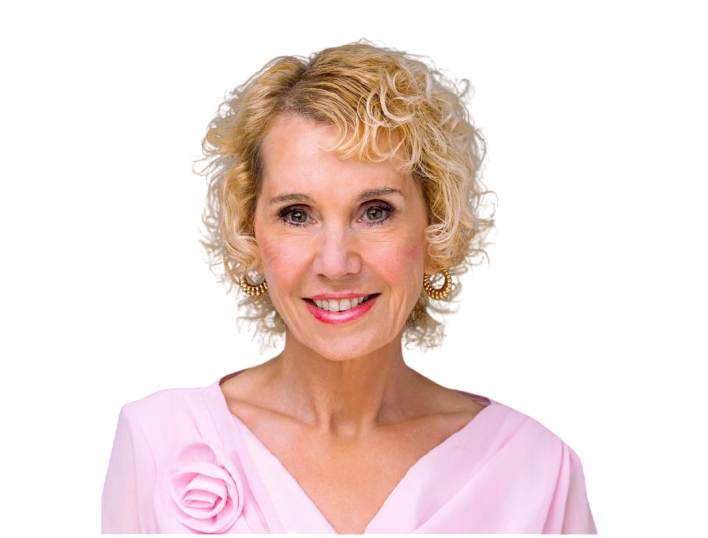
Presenter: Dr. Kymberlee O'Brien
Affiliation: Assistant Professor Physiological Psychology and Behavioral Neuroscience, William James College, USA
Session Name:
Presentation Title: The Neuroscience of Imposter Syndrome: Ancient Circuits, Modern Doubts
Presentation Category: Oral Presentation
Biography of presenting authors:
Dr. Kymberlee O’Brien is an Assistant Professor of Physiological Psychology and Behavioral Neuroscience at William James College, USA. Her research examines the intersection of social experiences, psychological processes, physiology, and health. Her work focuses on stress responses, intergroup interactions, discrimination, stigma, and social appraisal processes, as well as autonomic nervous system and neuroendocrine responses and their impact on health outcomes.
Dr. O’Brien also investigates social class and health disparities, the social determinants of disease, and the influence of emotions such as shame, pride, and empathy on physiology, behavior, self-esteem, morality, and relationships. Her research further explores mind-body interactions and their role in resilience and health, contributing to a broader understanding of how social and psychological factors influence human wellbeing.
Abstract:
First, we introduce the deep evolutionary roots of impostor experiences. Participants explore key brain systems—amygdala, ACC, insula, and DMN—and how their ancient survival functions create modern patterns of vigilance, rumination, and threat perception. Emphasis is placed on the mismatch between evolutionary priorities (safety, belonging) and contemporary achievement-based environments. Participants learn how threat appraisal, interoception, narrative identity, and error monitoring combine to create persistent feelings of inadequacy, even in high performers. Building upon the structural overview in the introduction, we then explore neurotransmitters and hormonal systems that amplify self-doubt.
Dopamine’s role in prediction error and reward discounting, cortisol’s amplification of anticipatory threat, oxytocin’s paradox in high-empathy professionals, and serotonin’s role in stability and social confidence are explained. Participants discover how these ‘biochemical echoes’ reinforce survival circuits and shape emotional tone, social evaluation, and the body’s sense of, and lack of, safety. Finally, we review the evidence-based interventions that align with the nervous system’s architecture. Content includes interoceptive retraining, polyvagal-informed safety cues, oxytocin-based relational attunement, dopamine recalibration practices, and serotonergic flexibility supports.

Presenter: Ms. Je-hyang Park
Affiliation: Affiliation Graduate School, Dankook University, South Korea
Session Name: Mental Health / Psychiatry / Schizophrenia
Presentation Title: AI-Assisted Semantic Clustering of Coping Experiences in Auditory Verbal Hallucinations: A Secondary Qualitative Data Analysis
Presentation Category: Poster Presentation
Biography of presenting authors:
Je hyang Park is a master’s program completer in the Department of Nursing at Dankook University, South Korea. She is a psychiatric nurse with three years of clinical experience at Yeolinseongae Hospital. She is interested in mental health nursing and auditory verbal hallucinations.
Abstract:
Auditory verbal hallucinations (AVH) are among the most distressing symptoms experienced by individuals with schizophrenia and are strongly associated with functional impairment and recovery challenges. Although numerous qualitative studies have explored the lived experiences and coping strategies of individuals experiencing AVH, the structural patterns underlying these coping experiences remain insufficiently understood. Recent advances in artificial intelligence and natural language processing (NLP) offer new opportunities to systematically analyze qualitative data and identify latent semantic structures within complex experiential narratives. This study aimed to explore semantic patterns in coping experiences related to auditory verbal hallucinations using an AI-assisted clustering approach.
A secondary qualitative data integration design was employed. Qualitative studies addressing coping experiences associated with AVH were identified through a PRISMA-guided screening process, resulting in 23 eligible studies selected from an initial pool of 807 records. Participant quotations describing coping experiences were extracted and compiled into a textual dataset. Sentence embeddings were generated using Sentence-BERT to represent the semantic meaning of individual quotations.
Semantic similarities between quotations were calculated, and agglomerative hierarchical clustering was applied to identify meaningful semantic groupings. Through this analysis, five distinct coping clusters were identified: embodied distress, self-concept formation, active coping, therapeutic control, and social context. These clusters illustrate diverse experiential dimensions of coping with auditory hallucinations and reveal structured patterns within previously fragmented qualitative accounts. The findings suggest that AI-assisted semantic analysis can provide a novel methodological approach for integrating qualitative evidence and identifying latent patterns in patient experiences. This approach may contribute to a deeper understanding of hallucination coping processes and support the development of recovery-oriented and person-centered mental health interventions.

Presenter: Ms. Kiranmayea Yenugduati
Affiliation: University of North Texas, United States
Session Name: Future of Neuropsychiatry
Presentation Title: Charting the Future of Neuropsychiatry: The Thematic Shift Toward Adaptive Closed-Loop Deep Brain Stimulation and White Spaces in Precision Mental Health Care
Presentation Category: Poster Presentation
Biography of presenting authors:
Kiranmayea Yenugudati is an early-college student at the Texas Academy of Mathematics and Science at the University of North Texas. She currently conducts biomedical research in the Advanced Robotics Manipulators Lab and serves as a first-author associate at Think Neuro, focusing on bibliometric neurotechnology analysis. Alongside her research, she is the Head Editor of the Stethoscope Medical Journal, managing over 50 writers. Additionally, Kiranmayea has completed over 200 clinical internship hours across UT Southwestern and Children’s Health.
Abstract:
Objective: To map how neuromodulation literature is shifting from open-loop to adaptive closed-loop systems, and determine whether this shift reaches patients with psychiatric and cognitive disorders to advance precision medicine.
Background: Deep brain stimulation (DBS) uses an implanted device to deliver electrical signals to targeted brain regions. While established for movement disorders, DBS is actively expanding into psychiatric and cognitive conditions. Adaptive DBS captures neural signals to adjust therapy in clinical settings, replacing static open-loop stimulation. However, whether this technological shift actually reaches mental health patients remains a white space. We mapped the 100 most-cited DBS publications to chart this shift and locate gaps limiting clinical translation.
Methods: We searched the Web of Science Core Collection using keywords including "deep brain stimulation" and "closed-loop neuromodulation". Following the PRISMA 2020 framework, we screened 126 preliminary records, excluded spinal cord stimulation studies, and retained the 100 most-cited publications from 2016 to 2024. Data was analyzed in R using bibliometrix and visualized through thematic mapping, network analysis, and structured coding.
Results: Publications split across clinical and neuroscience journals (63) and device and engineering journals (20). Thematic mapping showed closed-loop neuromodulation as the fastest-growing frontier, though psychiatric applications remained emerging. Structured coding highlighted a stark gap: while 51 articles addressed adaptive systems, only six targeted psychiatric or cognitive conditions, and just nine used longitudinal designs. Adaptive control relied almost entirely on beta-band activity, with rare psychiatric proofs of concept.
Conclusions: The literature reveals an uneven shift toward biomarker-guided neuromodulation in movement disorders. This highlights a dependence on a single biomarker and a scarcity of long-term, multicenter evidence. Consequently, despite rising clinical demand, patients with psychiatric and cognitive disorders have yet to benefit from adaptive DBS. Future research must validate disorder-specific biomarkers, run long-term trials, and extend closed-loop control to psychiatric disorders to advance scalable precision medicine.

Presenter: Ms. Kristina Curott
Affiliation: Liberty University, United States of America
Session Name: Public Mental Health and Global Mental Health
Presentation Title: The Unspoken Self: Cultural Norms and Mental Health Among Asian Indian Americans
Presentation Category: Oral Presentation
Biography of presenting authors:
Kristina Curott is a PsyD student driven by a global perspective shaped by extensive international travel. She is dedicated to advancing multicultural psychology with holistic, mind-body-spirit paradigms. Challenging traditional, fragmented approaches to mental health, her perspective is shaped by international travel and a background in massage therapy and exercise science. She works to incorporate holistic, somatic and culturally sensitive frameworks with accessible, evidence-based clinical practices.
Abstract:
Asian Indian Americans are a diverse population that possesses unique cultural norms and communication patterns based on communal values including interdependent familial relationships, multigenerational respect, and cultural pride.There are about 22.2 million Asian Americans in the U.S., and 20% of this population are Asian Indian Americans The aforementioned qualities should be considered to tailor ethical treatment. The unique position of being caught between two distinct cultures (Indian and American) causes psychological distress due to the ongoing defining and redefining of identity.
Additionally, this group of people in the United States struggles with discrimination, resulting in multiple psychological concerns including depression, anxiety, PTSD, somatic symptoms, and suicidality. However the lack of culturally competent providers who are skilled in interpreting behaviors and mental health patterns within this population has led to them being underserved. Other barriers to treatment include the sense of shame and stigma associated with treatment in this community, pressure to succeed, and lack of awareness of services.
Asian Indian Americans are disproportionately impacted by several socio-cultural determinants of poor mental health, and clinicians must be educated on tailored treatment to effectively work with this “unspoken” population. This presentation seeks to provide information about cultural norms of this population and propose a culturally informed, seven-step framework involving family-based resources, psychoeducation on the purposes and methods of psychotherapy which can help combat feelings of shame associated with pride, normalize therapy and seek help and narrative from individual failure to holistic well-being. With this in mind, advocacy must include improving awareness of culturally sensitive treatment approaches, focusing on stigma reduction, including family systems, and normalizing treatment through education. Clinicians must challenge existing stereotypes and promote culturally informed care and promote cultural humility within mental health services.
Objectives
1) Learn about unique cultural norms and communication patterns based on communal values of Asian Indian Americans.
2) Identify how varied cultural backgrounds, communication styles, acculturation experiences, and collectivist values inform the treatment of Asian Indian Immigrants.
3) Recognize barriers to treatment engagement including stigma around mental health and intergenerational pressures and how these influence psychological distress.
4) Apply ethical and culturally sensitive clinical interventions and advocacy approaches that help support the psychological well-being of underserved Asian Indian American communities.
At the end of this presentation, participants will learn how cultural makeup, communication styles, and barriers to treatment affect the Asian Indian American community and how to tailor interventions and participate in advocacy